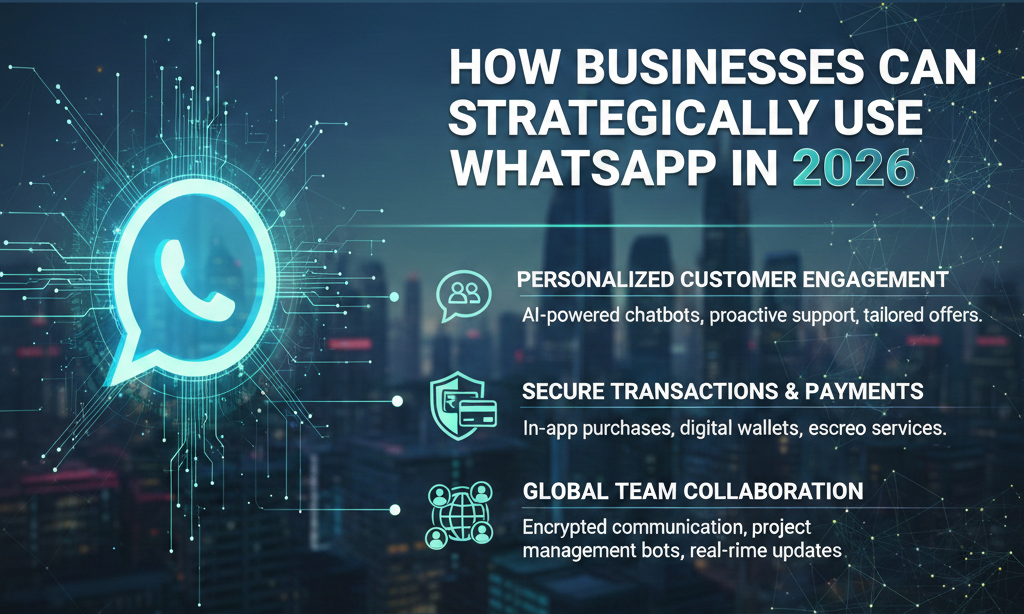
The Smart Way to Send WhatsApp Messages in 2026
The Smart Way to Send WhatsApp Messages in 2026
In 2026, bulk WhatsApp messaging has become one of the most reliable ways for businesses to connect with customers—instantly, personally, and at scale. Knowing how to send bulk WhatsApp messages the right way is no longer optional, especially when legality, deliverability, and customer trust are at stake.
Many businesses still hesitate, wondering whether bulk WhatsApp messaging is legal. The answer is simple: yes, it is—when done through the WhatsApp Business API, with proper user consent and approved message templates. When used correctly, businesses can confidently send bulk WhatsApp messages for follow-ups, reminders, service updates, and promotions without risking account blocks or customer backlash.
Unlike unsafe tools that blast random messages, official WhatsApp API messages feel natural and conversational. And the results speak for themselves—well-timed WhatsApp messages consistently outperform email and SMS because customers actually read them and respond. The formula is straightforward: relevance, consent, and the right platform.
Pause for a Moment. Look at Your Phone.
Not your laptop.
Not your CRM.
Your phone.
Chances are, WhatsApp is already open.
It’s where you coordinate dinner plans with family.
It’s where your team asks, “Can we move the meeting by 30 minutes?”
And most importantly, it’s where your customers already are.
This is the shift many businesses underestimate.
For years, brands chased attention through emails that went unread and calls that went unanswered. But in 2026, the rule is simple: meet customers where they already communicate. And that place is WhatsApp.
That’s why bulk WhatsApp messaging has become one of the most effective business tools today—not because it’s trendy, but because it feels natural.
The Questions Every Business Asks
Some hesitation is expected. Almost every business owner asks:
- Will my WhatsApp number get blocked?
- Is bulk WhatsApp messaging actually legal?
- Will customers mark my messages as spam?
- Am I investing in tools that won’t deliver ROI?
If these questions sound familiar, you’re in the right place.
This is not a blog about hacks or shortcuts. It’s a practical, honest guide to sending bulk WhatsApp messages legally, safely, and at scale in 2026—without damaging trust or compliance.
What Bulk WhatsApp Messaging Really Means Today
Let’s clear up a common misconception.
Bulk WhatsApp messaging in 2026 does not mean blasting ads to random phone numbers. That era ended years ago.
Today, bulk messaging simply means sending the same relevant WhatsApp message to multiple opted-in users using an official, approved system.
Businesses commonly use it to:
- Follow up with leads who filled a form
- Send appointment confirmations or reminders
- Share invoices, payment links, or receipts
- Provide order and delivery updates
- Send personalised offers to existing customers
Intent matters.
When done right, bulk WhatsApp messages don’t interrupt—they help.
Bulk Messages vs Spam: The Difference That Matters
Most fears around WhatsApp come from confusing service with spam.
Spam is unwanted noise.
Service is timely, relevant communication.
A message becomes spam when:
- The user never opted in
- The message is irrelevant
- The sender is unfamiliar
A message becomes service when:
- The user gave consent
- The message solves a problem
- The timing makes sense
That line should never be crossed.
Why WhatsApp Has Overtaken Email and SMS
Email still has its place—but inboxes in 2026 are overcrowded. Most business emails go unread, and replies arrive days later, if at all.
SMS performs better but feels cold and transactional. With limited characters and no rich media, it’s hard to build relationships.
WhatsApp sits in a different league.
WhatsApp messages are:
- Read within minutes
- Rich with images, PDFs, videos, and buttons
- Easy to reply to
- Familiar and trusted
That’s why WhatsApp has evolved from a promotional channel into a core pillar of long-term customer communication.
Is Bulk WhatsApp Messaging Legal in 2026?
Yes—but only if you follow WhatsApp’s framework.
WhatsApp is extremely protective of user experience. That’s why bulk messaging is allowed only through the WhatsApp Business API, not personal apps or automation hacks.
The 3 Non-Negotiable Rules
- User Opt-In Is Mandatory
You cannot message someone just because you have their number. Consent can come from:
- Website forms
- Lead ads
- Click-to-WhatsApp ads
- Missed call campaigns
- Physical forms
No opt-in, no message.
- WhatsApp Business API Is Required
Browser extensions, cracked tools, and automation hacks may work briefly—but they always fail. WhatsApp detects them quickly. To send bulk WhatsApp API messages safely, you must use an official provider like Mcarbon. - Message Templates Must Be Approved
Every outbound bulk message must be pre-approved by Meta. Templates ensure clarity, prevent misleading content, and protect both users and businesses.
Why the WhatsApp Business App Doesn’t Scale
The WhatsApp Business app works for very small teams—but it breaks down fast:
- Broadcasts only reach contacts who saved your number
- Automation is extremely limited
- High volumes trigger restrictions
The WhatsApp Business API, by contrast:
- Supports large-scale messaging
- Works even if users haven’t saved your number
- Enables automation, analytics, and multi-agent access
- Keeps your account compliant and secure
If growth is your goal, the API isn’t optional.
Scaling Smartly with Automation and AI
Sending messages is only half the job. Handling replies is where most teams struggle.
That’s why businesses now combine bulk WhatsApp messaging with AI chatbots that:
- Answer FAQs instantly
- Share catalogs or brochures
- Qualify leads before sales teams step in
Leading brands go a step further by combining WhatsApp + IVR + AI voice:
- Missed call → instant WhatsApp follow-up
- Call overflow → AI voice agent
- Support queries → WhatsApp chatbot
Mistakes That Get Businesses Blocked
- Over-messaging
- Aggressive sales language
- Ignoring opt-outs
- Treating WhatsApp like SMS
WhatsApp rewards restraint, relevance, and respect.
Conclusion: Scale Without Losing the Human Touch
Technology is easy to buy in 2026.
Trust is not.
Bulk WhatsApp messaging works only when it feels timely, helpful, and human.
The goal isn’t more messages.
The goal is better conversations.
Mcarbon is built for exactly that.
With Mcarbon, businesses can:
- Send legal, API-approved bulk WhatsApp messages
- Automate follow-ups intelligently
- Combine WhatsApp, IVR, and AI voice on one platform
Because the future of communication isn’t louder—it’s smarter.